Three mining operations build on-site COVID-19 labs in northern Quebec
From June to September, Michelle Polson didn’t get a single cuddle or kiss from her two young children, daughter Payton, 10, and son Keyton, 8.
From June to September, Michelle Polson didn’t get a single cuddle or kiss from her two young children, daughter Payton, 10, and son Keyton, 8.
Like other Cree working in the mining sector, Polson’s life consisted of a brutal routine of 14-days working, followed by 14-days self-isolation, as required by the Cree Nation Government’s COVID-19 restrictions.
And it’s not just workers in the mining sector.
Under the restrictions, all mines, exploration sites, forestry camps and Hydro-Quebec work sites are considered “at risk zones” and require Cree workers to self-isolate for two weeks when they finish their shifts, as a way to protect vulnerable populations in Cree communities from COVID-19.
Read More: https://www.cbc.ca/news/canada/north/cree-mining-osisko-eleonore-covid-19-1.5752969
 Mainstream News
Bed Bug Infestation Forces Closure of Fort Simpson Schools
Two schools in Fort Simpson, N.W.T., will close starting Monday due to a bed bug infestation, with no confirmed reopening date.
 Mainstream News
The Complex History of Bible Translations in Greenland and Labrador
Early Christian missionaries in Greenland and Labrador relied on Inuit converts to translate the Bible, revealing a complex interplay of cultural exchange and religious adaptation.
 Mainstream News
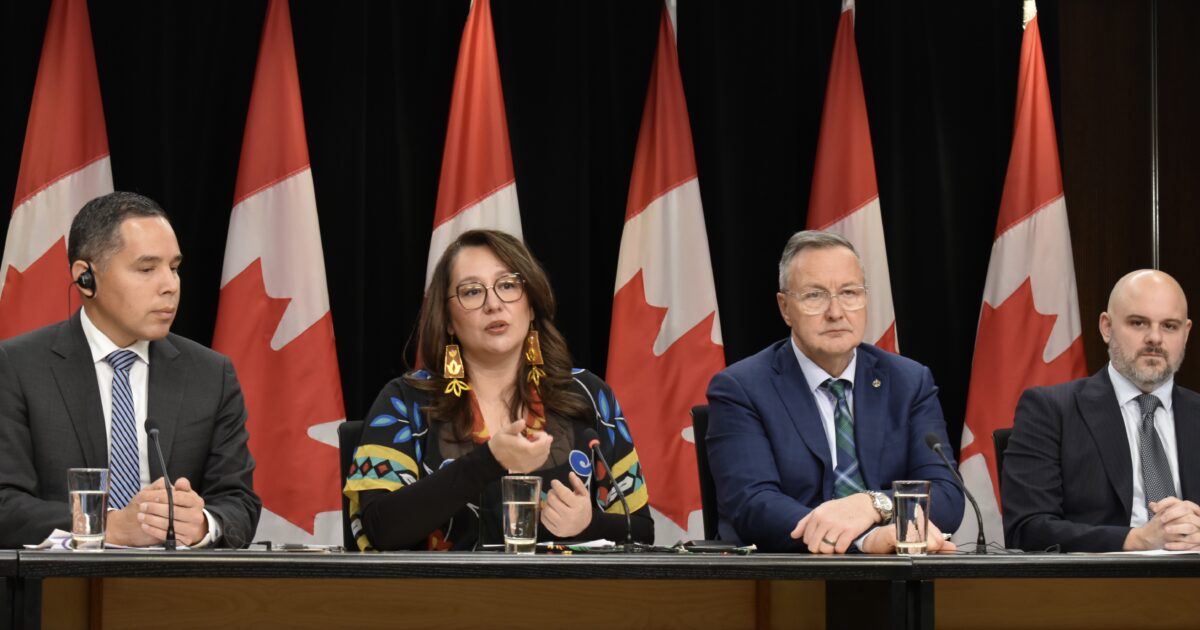
Inuit-Led Pirutsiagutiit Program Replaces Child First Initiative
Federal government transfers $575M in child health and social support funding to Inuit organizations, ending uncertainty over previous program.
 Mainstream News
Inuvik Mayor Advocates for Lasting Community Benefits From Defence Spending
Mayor Peter Clarkson proposes converting temporary worker housing into permanent residences and building a new fieldhouse as part of $100M+ military investments in Inuvik.