Northern Ontario First Nations Face Stark Health Disparities in New Report
A study reveals significantly higher rates of chronic conditions and premature deaths in northern Ontario First Nations compared to provincial averages.

THUNDER BAY — A new report by the Mamow Ahyamowen alliance highlights alarming health disparities in northern Ontario First Nations, with chronic conditions and premature deaths occurring at rates far exceeding provincial averages. The study, which examined 22 chronic conditions across 70 First Nations from 2003 to 2022, found rheumatoid arthritis rates 14.4 times higher, chronic pancreatitis 4.7 times higher, and substance use disorders 4.3 times higher than the Ontario average.
The data also revealed that 61% of band members in these communities died before retirement age, compared to just 22% provincially. Grand Chief Alvin Fiddler of Nishnawbe Aski Nation, which represents 49 First Nations in the region, said the findings confirm long-standing concerns voiced by Indigenous leaders. 'It just reaffirms or validates what we've been hearing from our communities,' Fiddler stated.
Maureen Gustafson, a specialist with Mamow Ahyamowen, emphasized the importance of the longitudinal data in understanding health trends. 'Looking back that far allows us to understand how things have changed over time,' she explained. The alliance was formed a decade ago to address the lack of health data accessible to First Nations communities, with Gustafson noting, 'It's all about giving communities back their data because it belongs to them.'
The report found that three of the top five most common conditions in 2019 were related to mental health and substance use, underscoring the need for targeted interventions. However, the study acknowledges limitations, as it only includes data from those registered in both the Indian Register and Ontario's health database, potentially excluding those without consistent healthcare access.
Funded by the Ontario Ministry of Health and supported by ICES, the research represents a step toward Indigenous data sovereignty. As Gustafson noted, the ability for communities to reclaim and use their own health data is 'really powerful' for advancing self-determination in healthcare. The findings come as northern Ontario First Nations continue to advocate for equitable health resources and systemic changes to address these disparities.
 Mainstream News
Bed Bug Infestation Forces Closure of Fort Simpson Schools
Two schools in Fort Simpson, N.W.T., will close starting Monday due to a bed bug infestation, with no confirmed reopening date.
 Mainstream News
The Complex History of Bible Translations in Greenland and Labrador
Early Christian missionaries in Greenland and Labrador relied on Inuit converts to translate the Bible, revealing a complex interplay of cultural exchange and religious adaptation.
 Mainstream News
Inuit-Led Pirutsiagutiit Program Replaces Child First Initiative
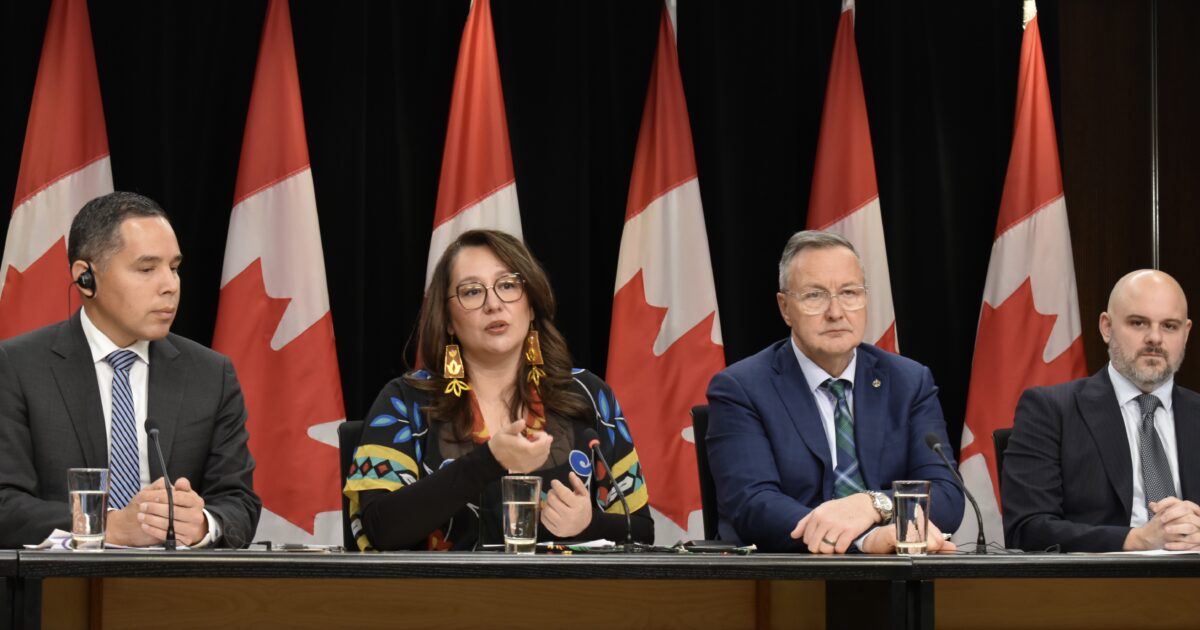
Federal government transfers $575M in child health and social support funding to Inuit organizations, ending uncertainty over previous program.
 Mainstream News
Inuvik Mayor Advocates for Lasting Community Benefits From Defence Spending
Mayor Peter Clarkson proposes converting temporary worker housing into permanent residences and building a new fieldhouse as part of $100M+ military investments in Inuvik.