Nighttime light exposure may be linked with top killer disease worldwide
October 28, 2025
October 28, 2025
Turning off the lights at night has long been known to support restful sleep, but new research suggests it may have another significant benefit. Sleeping in total darkness may lower the risk for cardiovascular disease, the top cause of death worldwide.
People who slept in the brightest conditions — similar to having overhead bedroom lights on —had a 56% greater risk of developing heart failure. Those who slept under such intense light also had a 32% higher risk of coronary artery disease and a 28% higher risk of stroke.
Wrist wearables tracked the study participants’ exposure to light intensity between 12:30 a.m. and 6 a.m., according to Dr. Daniel Windred, co-first author of the study published Thursday in the journal JAMA Network Open.
“One limitation is that we do not know the sources of personal light exposure, only the intensity,” said Windred, a research associate at Flinders University’s College of Medicine and Public Health in Australia. “Understanding typical sources of night light exposure might allow for more informed recommendations beyond ‘avoid bright light at night.’”
 Mainstream News
Bed Bug Infestation Forces Closure of Fort Simpson Schools
Two schools in Fort Simpson, N.W.T., will close starting Monday due to a bed bug infestation, with no confirmed reopening date.
 Mainstream News
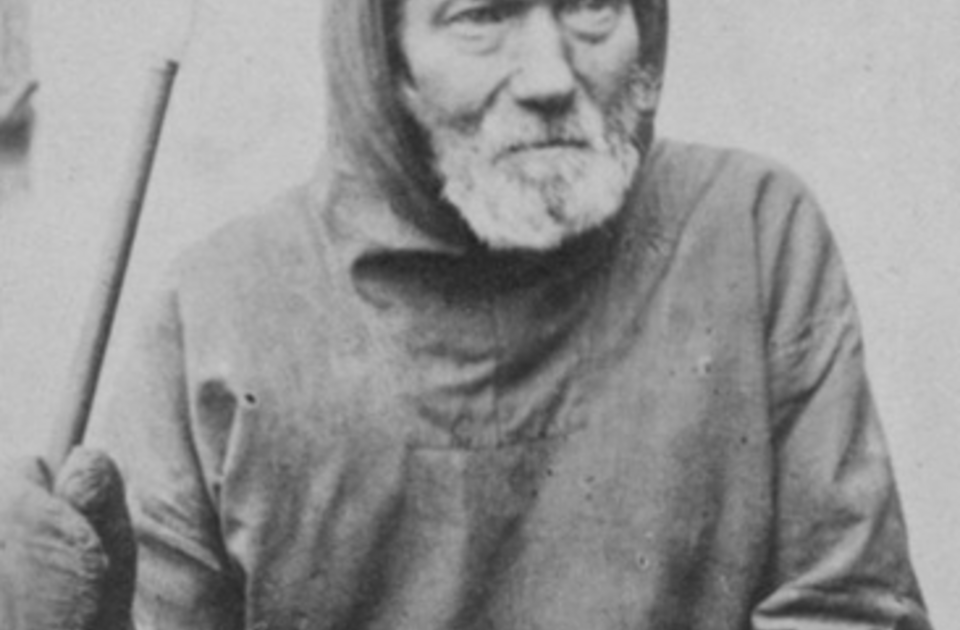
The Complex History of Bible Translations in Greenland and Labrador
Early Christian missionaries in Greenland and Labrador relied on Inuit converts to translate the Bible, revealing a complex interplay of cultural exchange and religious adaptation.
 Mainstream News
Inuit-Led Pirutsiagutiit Program Replaces Child First Initiative
Federal government transfers $575M in child health and social support funding to Inuit organizations, ending uncertainty over previous program.
 Mainstream News
Whitehorse Students Engage With Canadian Astronauts Aboard the ISS
Students from Whitehorse schools connected with Canadian astronauts Jenni Gibbons and Joshua Kutryk, gaining insights into space exploration and inspiring future careers in science.