How to protect yourself from false health information spreading online
Chloe Kizito says she sees some video touting health and science misinformation every time she checks her social feeds.
Chloe Kizito says she sees some video touting health and science misinformation every time she checks her social feeds.
Kizito, 16, is a fact checker and youth journalist with MediaSmarts, who produces videos to show teens how to determine whether what they see online has evidence to back it up.
“I see at least one video online that’s saying like, ‘Oh, this can cure this.’ Or ‘Did you know that by doing this, you’re going to get this disease or this illness?” the resident of Kitchener, Ont., said.
Kizito said she’s noticed more health misinformation in the last year as deepfakes and AI become prominent on social media. The fakes often use the image of someone famous to generate content that makes it seem like a celebrity or politician is saying something when they’re really not.
Read more: https://www.cbc.ca/news/health/medical-misinformation-cma-1.7630741
 Mainstream News
Bed Bug Infestation Forces Closure of Fort Simpson Schools
Two schools in Fort Simpson, N.W.T., will close starting Monday due to a bed bug infestation, with no confirmed reopening date.
 Mainstream News
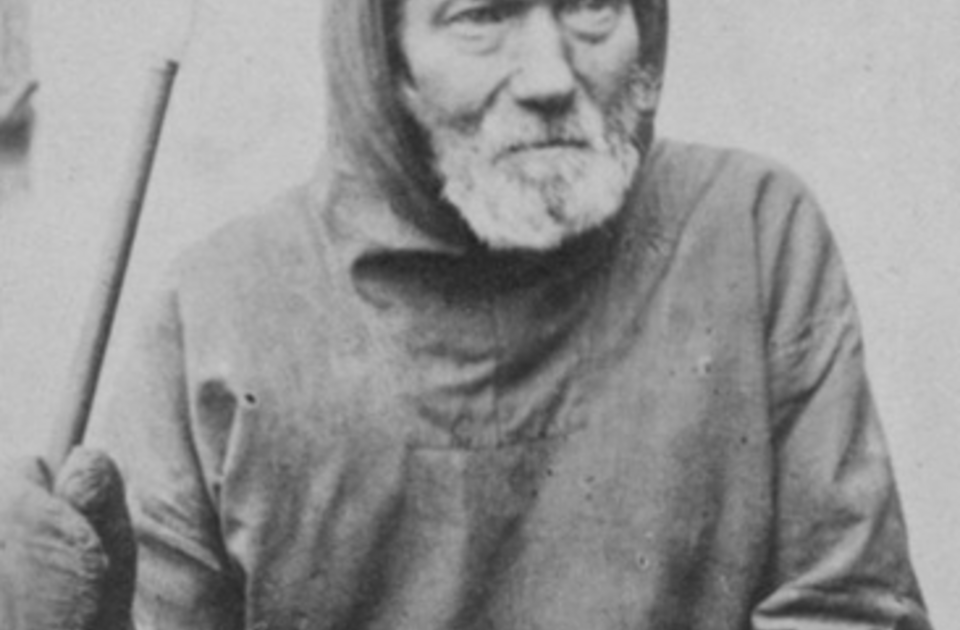
The Complex History of Bible Translations in Greenland and Labrador
Early Christian missionaries in Greenland and Labrador relied on Inuit converts to translate the Bible, revealing a complex interplay of cultural exchange and religious adaptation.
 Mainstream News
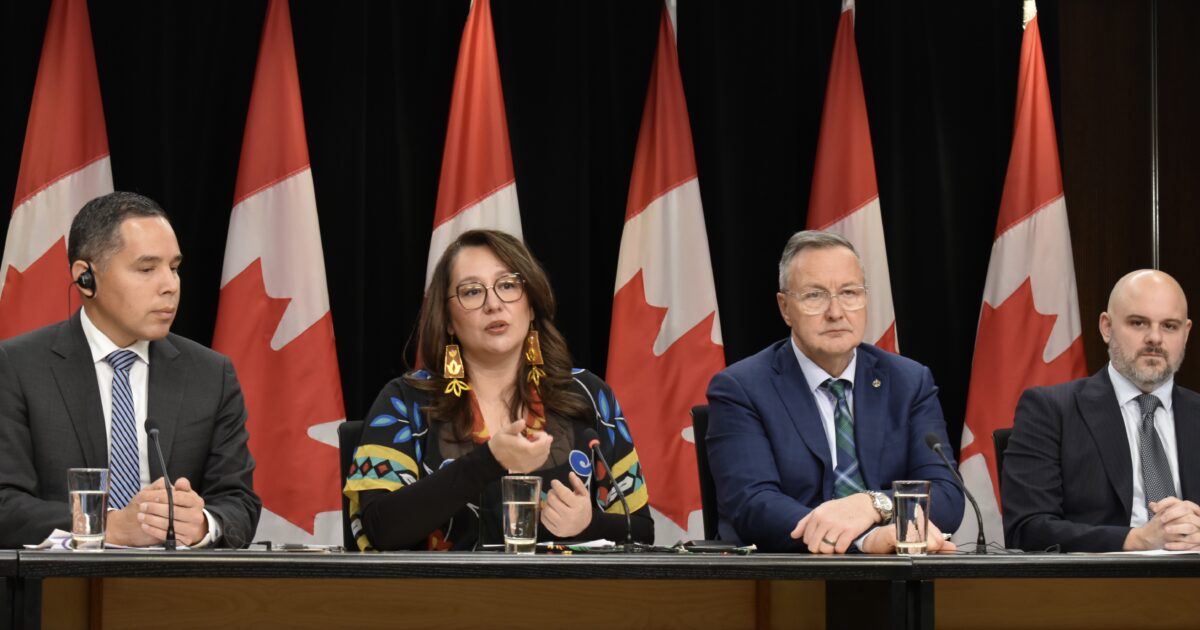
Inuit-Led Pirutsiagutiit Program Replaces Child First Initiative
Federal government transfers $575M in child health and social support funding to Inuit organizations, ending uncertainty over previous program.
 Mainstream News
Whitehorse Students Engage With Canadian Astronauts Aboard the ISS
Students from Whitehorse schools connected with Canadian astronauts Jenni Gibbons and Joshua Kutryk, gaining insights into space exploration and inspiring future careers in science.