How Indigenous Communities in Canada Organized an Exemplary Public Health Response to COVID
An emphasis on self-determination contributed to dramatically lower case numbers than among non-Indigenous groups
An emphasis on self-determination contributed to dramatically lower case numbers than among non-Indigenous groups
The unequal impact of COVID-19 on the health of certain groups, including Black, Latinx and Native Americans, became clear from the outset of the pandemic. The Navajo Nation, Diné Bikéyah, made headlines throughout May 2020 when its per capita COVID-19 infection rate surpassed that of every U.S. state.
But although COVID-19’s rates in Canada have been high in the Black community, and in neighborhoods where there are large populations of people of color, its prevalence to date among Indigenous people in Canada has been less than one quarter that of non-Indigenous Canadians, with a third of the fatalities and a 30 percent higher recovery rate.
 Mainstream News
Bed Bug Infestation Forces Closure of Fort Simpson Schools
Two schools in Fort Simpson, N.W.T., will close starting Monday due to a bed bug infestation, with no confirmed reopening date.
 Mainstream News
The Complex History of Bible Translations in Greenland and Labrador
Early Christian missionaries in Greenland and Labrador relied on Inuit converts to translate the Bible, revealing a complex interplay of cultural exchange and religious adaptation.
 Mainstream News
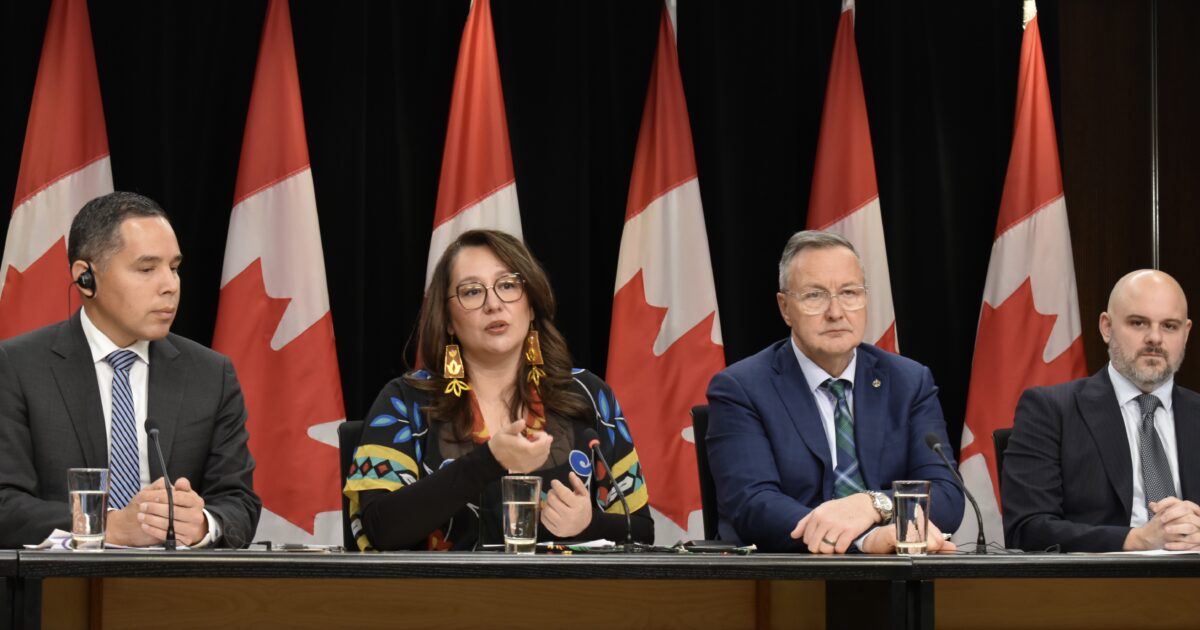
Inuit-Led Pirutsiagutiit Program Replaces Child First Initiative
Federal government transfers $575M in child health and social support funding to Inuit organizations, ending uncertainty over previous program.
 Mainstream News
Inuvik Mayor Advocates for Lasting Community Benefits From Defence Spending
Mayor Peter Clarkson proposes converting temporary worker housing into permanent residences and building a new fieldhouse as part of $100M+ military investments in Inuvik.