How decolonizing public health has helped Indigenous communities control COVID-19
September 21, 2020
September 21, 2020
On the Siksika First Nation, east of Calgary, about 4,000 on-reserve nation members have been adjusting to a new normal under COVID-19. There are screening stations at the entrance of all public buildings and a drive-thru testing is open daily between 10 a.m. and 1 p.m.
“We’re a higher risk population,” said Sisksika Chief Ouray Crowfoot.
“Because of our demographic, we knew we had to test and contact trace a lot more extensively.”
The nation had an outbreak over the summer, but thanks to fast action and the use of 19 trailers renovated to host those who needed to isolate, the outbreak was limited to just 31 cases.
Read More: https://globalnews.ca/news/7349368/decolonizing-public-health-indigenous-communities-coronavirus/
 Mainstream News
Bed Bug Infestation Forces Closure of Fort Simpson Schools
Two schools in Fort Simpson, N.W.T., will close starting Monday due to a bed bug infestation, with no confirmed reopening date.
 Mainstream News
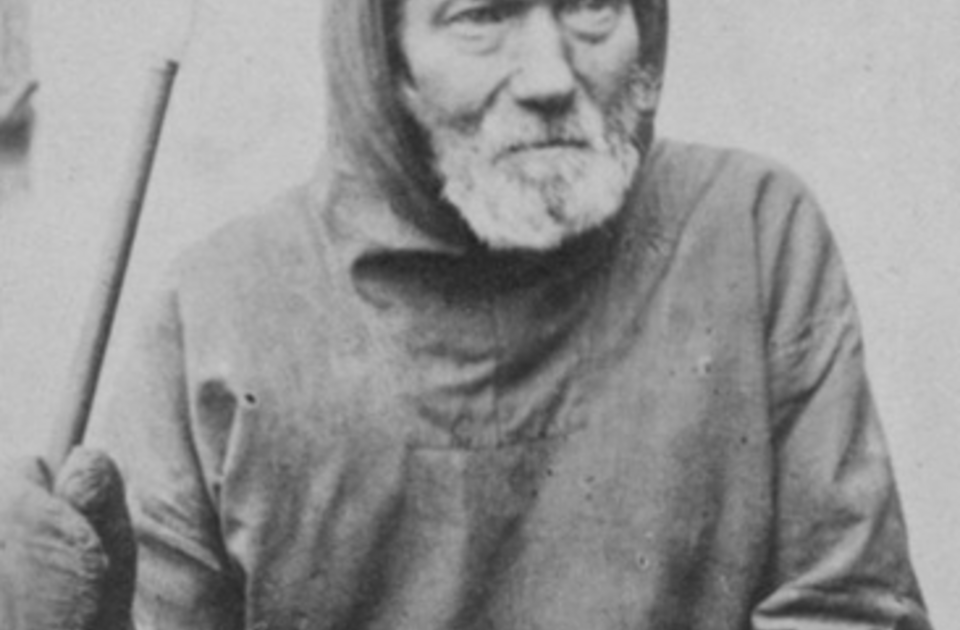
The Complex History of Bible Translations in Greenland and Labrador
Early Christian missionaries in Greenland and Labrador relied on Inuit converts to translate the Bible, revealing a complex interplay of cultural exchange and religious adaptation.
 Mainstream News
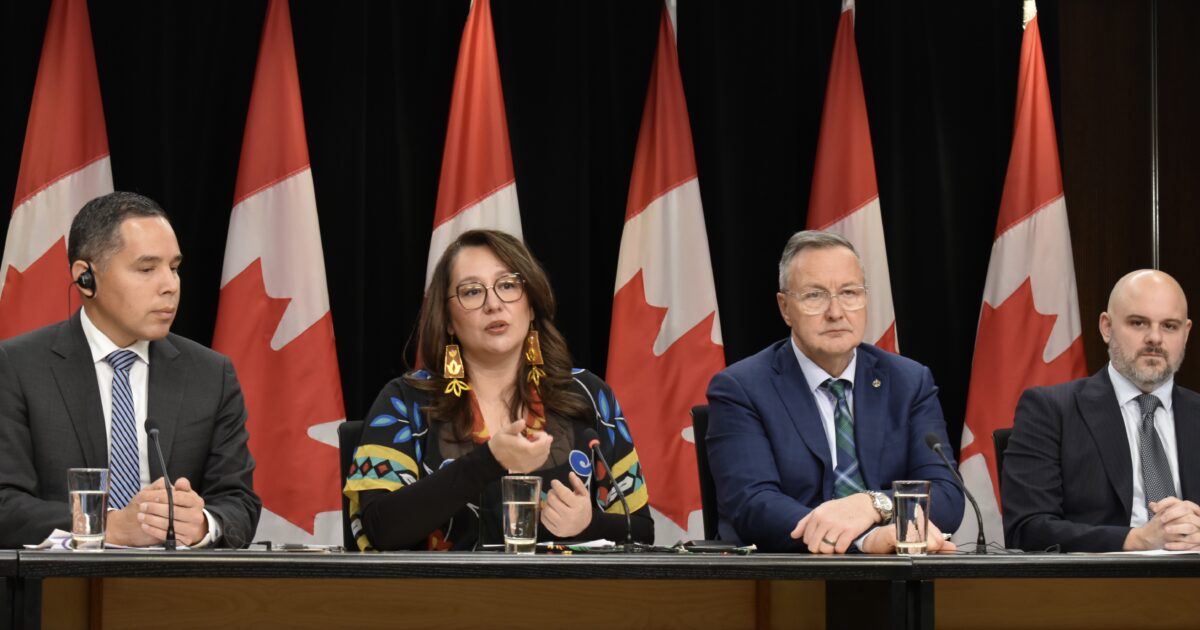
Inuit-Led Pirutsiagutiit Program Replaces Child First Initiative
Federal government transfers $575M in child health and social support funding to Inuit organizations, ending uncertainty over previous program.
 Mainstream News
Inuvik Mayor Advocates for Lasting Community Benefits From Defence Spending
Mayor Peter Clarkson proposes converting temporary worker housing into permanent residences and building a new fieldhouse as part of $100M+ military investments in Inuvik.