Canada Begins Recruiting Commissioners for Wrongful Conviction Review Body
Federal government starts hiring for independent commission to review potential wrongful convictions, aiming to improve justice system access for Indigenous peoples.
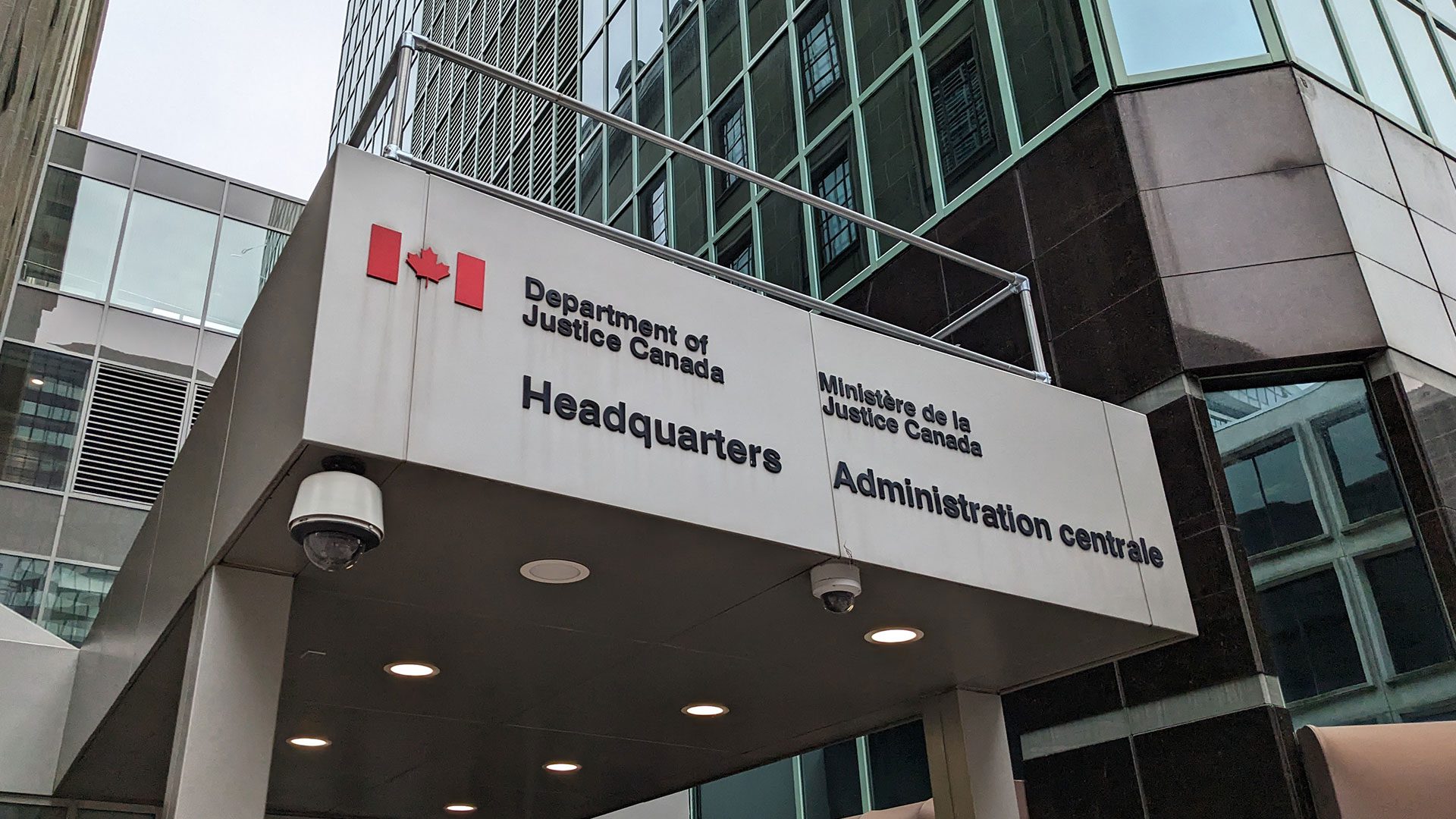
OTTAWA — The federal government has launched recruitment for commissioners to lead the new Miscarriage of Justice Review Commission, an independent body that will examine potential wrongful convictions across Canada. This marks a significant step toward replacing the current ministerial review process, nearly two years after the initiative was first announced under David and Joyce Milgaard’s Law, passed in December 2024.
Justice Minister Sean Fraser emphasized that the commission will operate independently of government, police, and prosecutors, with the authority to investigate applications and refer cases back to courts when new evidence suggests a miscarriage of justice. The move aims to address systemic issues in the justice system, particularly for Indigenous peoples, who are overrepresented in federal prisons and have historically faced barriers in accessing conviction reviews.
The commission’s creation follows recommendations from a 2021 report by former justices Harry Laforme and Jaunita Westmoreland-Traore, which highlighted the need for a more efficient and accessible review process. Under the existing system, only 30 individuals—most of them white men—have been exonerated since its inception, though recent cases like those of Keeseekoose First Nation sisters Odelia and Nerissa Quewezance demonstrate its critical role in addressing potential injustices.
The new body will not determine guilt or innocence but can order new trials or appeals when evidence warrants. Legal experts hope this shift will expedite reviews, as the current system has completed just 236 applications in 24 years, with only 36 resulting in remedies. The Department of Justice will continue processing applications through its existing review group until the commission becomes operational.
The commission’s mandate holds particular significance for Indigenous communities, as cases like the exoneration of three Manitoba First Nations men—who spent 50 years wrongly imprisoned due to coerced confessions—underscore the urgent need for systemic reform. Advocates stress that timely reviews are essential to restoring trust in Canada’s justice system.
Reported with files from APTN News.
 Mainstream News
Daily Cannabis Use Surpasses Alcohol Among Canadians, Study Finds
A new study reveals more Canadians now use cannabis daily than drink alcohol daily, with young adults driving the trend.
 Mainstream News
Nunavut Leaders Warn of Housing Delays as Construction Materials Left to Rot
Critical housing materials across Nunavut are deteriorating after being left exposed to harsh Arctic conditions for years, delaying much-needed public housing projects.
 Mainstream News
Bed Bug Infestation Forces Closure of Fort Simpson Schools
Two schools in Fort Simpson, N.W.T., will close starting Monday due to a bed bug infestation, with no confirmed reopening date.
 Mainstream News
The Complex History of Bible Translations in Greenland and Labrador
Early Christian missionaries in Greenland and Labrador relied on Inuit converts to translate the Bible, revealing a complex interplay of cultural exchange and religious adaptation.