Are you drinking heavily? You may be at greater risk of liver disease
The rate of serious liver disease among heavy drinkers has more than doubled over the last 20 years as the demographics around who is consuming more alcohol shift, a new study suggests.
The rate of serious liver disease among heavy drinkers has more than doubled over the last 20 years as the demographics around who is consuming more alcohol shift, a new study suggests.
The research, published Wednesday in American medical journal Clinical Gastroenterology and Hepatology, found that heavy alcohol use is up among women, older adults, lower-income individuals and people with metabolic syndromes like obesity, high blood pressure and high blood sugar.
These groups tend to already be at a higher risk for liver disease, and excessive drinking only makes that worse, doctors say.
“Liver disease is real, it’s surging, and your risk is much higher than you might think,” said Dr. Brian Lee, a study author and a transplant hepatologist who treats liver transplant patients in the U.S.
Read more: https://www.cbc.ca/news/health/liver-disease-alcohol-use-study-1.7593445
 Mainstream News
Bed Bug Infestation Forces Closure of Fort Simpson Schools
Two schools in Fort Simpson, N.W.T., will close starting Monday due to a bed bug infestation, with no confirmed reopening date.
 Mainstream News
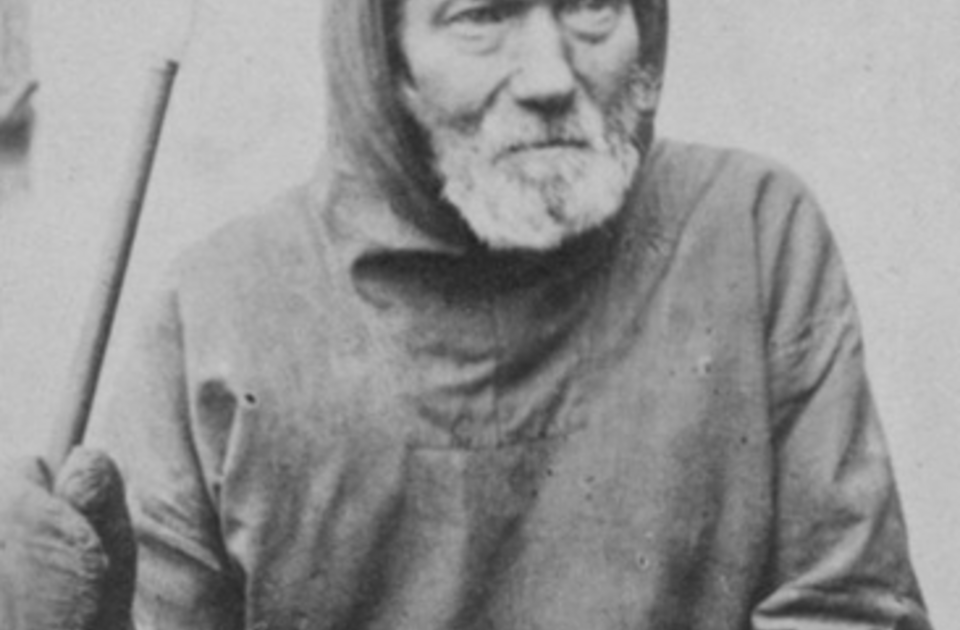
The Complex History of Bible Translations in Greenland and Labrador
Early Christian missionaries in Greenland and Labrador relied on Inuit converts to translate the Bible, revealing a complex interplay of cultural exchange and religious adaptation.
 Mainstream News
Inuit-Led Pirutsiagutiit Program Replaces Child First Initiative
Federal government transfers $575M in child health and social support funding to Inuit organizations, ending uncertainty over previous program.
 Mainstream News
Whitehorse Students Engage With Canadian Astronauts Aboard the ISS
Students from Whitehorse schools connected with Canadian astronauts Jenni Gibbons and Joshua Kutryk, gaining insights into space exploration and inspiring future careers in science.