Here’s why the idea behind a commonly-used kitchen tool could prevent strokes
April 30, 2026
April 30, 2026
The key to preventing strokes may have been found in an unlikely place: the filter in your coffee machine.
A team at Hamilton Health Sciences (HHS) has been tasked with leading the third phase of a clinical trial that uses the same concept for brewing coffee or cleaning water to trap blood clots before they reach the brain and cause vessel blockages.
“When they (patients) have a stroke, most of those strokes are very, very disabling, and that’s what we are trying to prevent with this study,” HHS neurologist Dr. Aristeidis Katsanos, the study’s site lead, told CTV News Toronto in an interview.
The study will involve 2,000 patients globally over the next two to three years, including 40 from HHS, to test the efficacy of a procedure where surgeons implant a permanent, small nickel filter into their carotid arteries to prevent strokes.
The procedure itself only takes five minutes and doesn’t require sedation. The Hamilton hospital network is the first site in North America and most of the world to perform the procedure.
 Mainstream News
Bed Bug Infestation Forces Closure of Fort Simpson Schools
Two schools in Fort Simpson, N.W.T., will close starting Monday due to a bed bug infestation, with no confirmed reopening date.
 Mainstream News
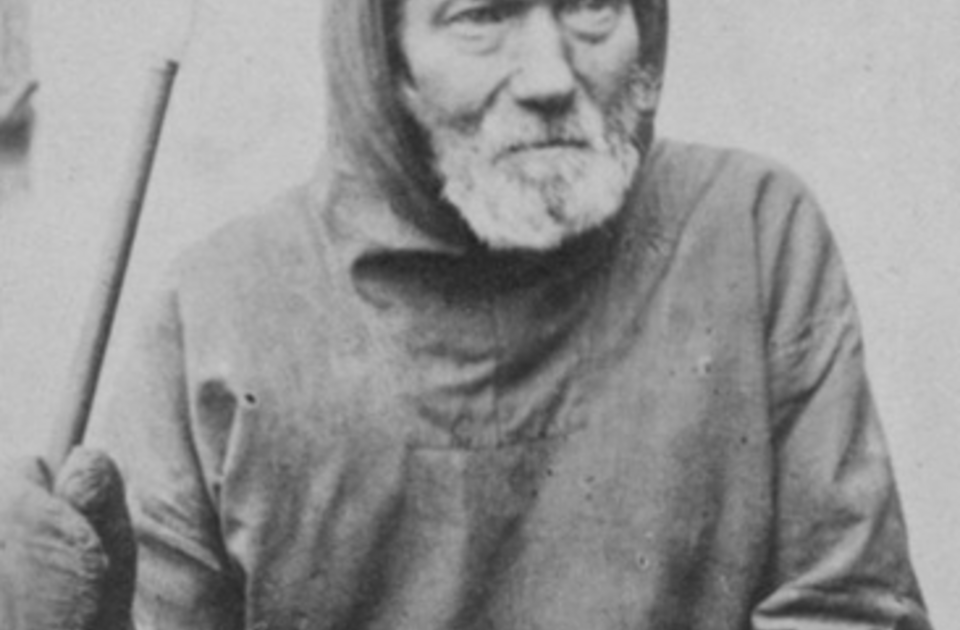
The Complex History of Bible Translations in Greenland and Labrador
Early Christian missionaries in Greenland and Labrador relied on Inuit converts to translate the Bible, revealing a complex interplay of cultural exchange and religious adaptation.
 Mainstream News
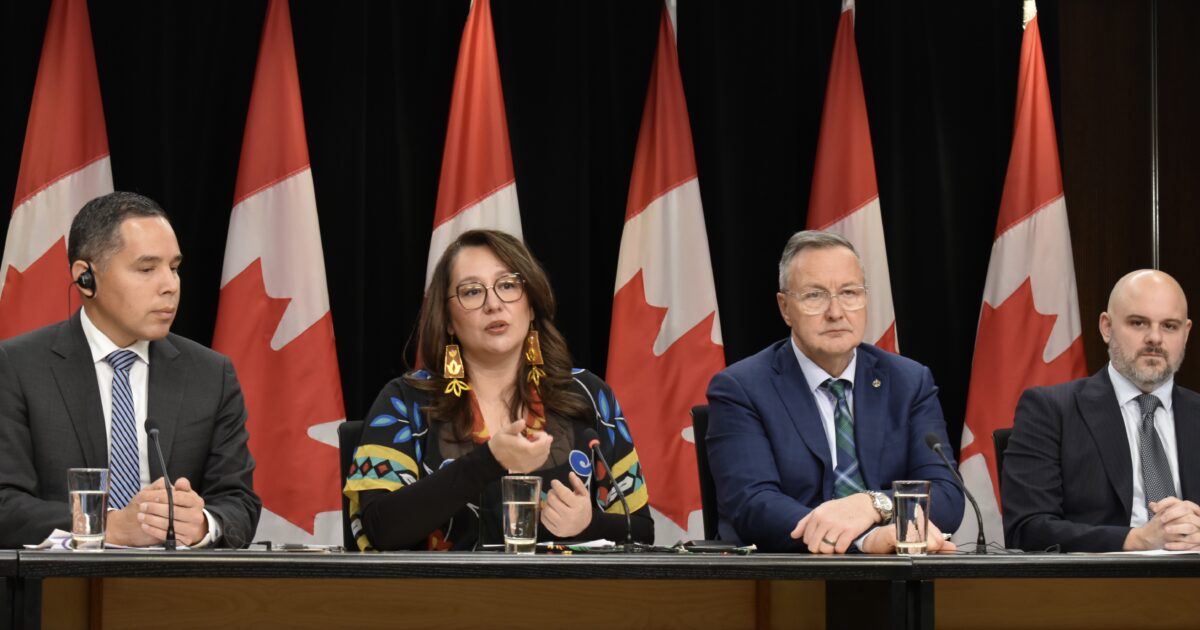
Inuit-Led Pirutsiagutiit Program Replaces Child First Initiative
Federal government transfers $575M in child health and social support funding to Inuit organizations, ending uncertainty over previous program.
 Mainstream News
Whitehorse Students Engage With Canadian Astronauts Aboard the ISS
Students from Whitehorse schools connected with Canadian astronauts Jenni Gibbons and Joshua Kutryk, gaining insights into space exploration and inspiring future careers in science.